Audrey Young
Branch: Texas State Board of Education District: 8
Additional Information from ATPE
First elected to the SBOE in 2020. Current term expires January 2027. Running for re-election; won the Republican primary and will be on the November 2026 general election ballot.
Has worked as a public school teacher and administrator. Previously served on the school board for Apple Springs ISD.
Endorsed by the editorial board of the Houston Chronicle in the 2022 general election.
Related Blog Posts
- 10/16/2026 - Protect the National Board Certification designation as a TIA pathway in Texas
- 10/09/2026 - Teach the Vote's Week in Review: Oct. 9, 2026
- 03/05/2026 - 2026 Texas primary election results
- 01/30/2025 - SBOE reviews TEA annual report, NAEP scores
- 11/21/2024 - SBOE members question Morath on Bluebonnet materials, STAAR, and more
- 01/31/2024 - SBOE initially approves new instructional materials process under HB 1605
- 08/30/2023 - Commissioner discusses latest STAAR scores and A-F with SBOE
- 06/23/2023 - SBOE reverses two of three preliminary charter vetoes
- 06/22/2023 - Commissioner: September A-F ratings will not be “apples to apples”
- 02/10/2023 - SBEC discusses performance assessment, teacher residency programs at first 2023 meeting
- 02/03/2023 - SBOE holds first meeting of 2023, debates private school vouchers
- 11/18/2022 - Texas SBOE confirms bipartisan opposition to vouchers during November 2022 meeting
- 11/17/2022 - Texas State Board of Education votes to reject private school vouchers
- 06/17/2022 - SBOE vetoes four charters, unanimously rejects edTPA as teacher certification exam
- 01/28/2022 - SBOE approves new SBEC rules on educator contract abandonment
Voting records currently not available. Please check back later.
Survey Responses
RESPONSES TO THE 2026 ATPE CANDIDATE SURVEY:
1. Role and Responsibility
If elected, what do you believe your primary role and responsibility as a State Board of Education (SBOE) member should be, particularly in comparison to or in coordination with the Texas Education Agency (TEA) and the Legislature?
I believe the primary role of an SBOE member is to serve as a steward of Texas students by setting the long-term vision, standards, and policies that guide public education across our state. The State Board of Education is responsible for establishing curriculum standards, adopting instructional materials, setting graduation requirements, and overseeing the Permanent School Fund. Those are significant responsibilities because they shape what students learn and the opportunities they have after graduation.
At the same time, it is important to recognize the distinct roles of the SBOE, the Texas Education Agency, and the Legislature. The Legislature creates the laws, establishes funding priorities, and sets the overall legal framework for public education. The Texas Education Agency, under the leadership of the commissioner, implements those laws, provides support to school districts, and oversees the day-to-day administration of the state's education system.
As an SBOE member, my responsibility is not to manage schools or the daily operations of TEA. Instead, I see the board's role as providing thoughtful oversight, ensuring accountability, and making policy decisions that reflect the needs of students, parents, educators, and communities across Texas. We must work collaboratively with both TEA and the Legislature while maintaining the board's independent responsibility to advocate for high academic standards, local input, fiscal responsibility, and educational excellence.
Ultimately, I believe an effective SBOE member serves as a bridge between local communities and state government. My commitment would be to listen carefully to families, educators, and taxpayers, bring those perspectives to the policymaking process, and help ensure that every decision we make is focused on preparing Texas students for success in college, careers, and civic life.
2. Top Priorities for Public Education
In your opinion, what is the most pressing issue facing public education in Texas?
In my opinion, the most pressing issue facing public education in Texas is ensuring that every student has access to a high-quality education regardless of their zip code, background, or circumstances. While Texas has made significant investments in education, there are still disparities in academic outcomes, access to experienced teachers, special education services, early literacy support, and college and career readiness opportunities across different communities. The mission of the Texas Education Agency is to improve outcomes for all public school students, and achieving that goal requires addressing these persistent gaps.
At the heart of this challenge is the need to recruit, support, and retain excellent educators. No curriculum, technology, or policy initiative can replace the impact of a highly effective teacher in the classroom. We must ensure that educators have the training, resources, and support they need to meet the diverse needs of today's students.
I also believe we must strengthen the partnership between schools, families, and communities. Student success does not happen in isolation. When parents are engaged, community organizations are involved, and schools are responsive to local needs, students thrive both academically and personally.
As a member of the State Board of Education, I will continue to focus on maintaining rigorous academic standards while ensuring that our policies provide opportunities for all students to succeed. The board's responsibility for curriculum standards, instructional materials, and graduation requirements gives it a unique opportunity to influence educational outcomes for generations of Texas students.
Ultimately, I believe the question is not whether Texas can provide a world-class education system. It is whether we have the collective will to ensure that every child, in every community, has access to that opportunity. That commitment to educational excellence and equity must remain at the center of every decision we make.
3. Educator and Stakeholder Input
If elected, what degree of input will you seek from educators, ATPE, and other educator organizations in policy decisions made by the SBOE? How would you seek that input?
If re-elected, I would continue to actively seek input from educators, ATPE, and other professional educator organizations because the people working directly with students every day bring a perspective that policymakers simply cannot get from reports or statistics alone. Teachers, counselors, principals, and support staff are on the front lines of education, and their voices are essential to creating effective policy.
The State Board of Education is responsible for setting curriculum standards, adopting instructional materials, and establishing graduation requirements, decisions that have a direct impact on classrooms across Texas. For that reason, I believe educators should have a meaningful seat at the table throughout the policymaking process. Including myself.
I would continue to seek that input in several ways:
Regular meetings with educator organizations, including ATPE, teacher associations, principal groups, and school employee organizations, to discuss proposed policies and gather feedback before major board votes.
Regional listening sessions throughout District 8 to hear directly from classroom teachers, campus leaders, and school staff about challenges and opportunities in their communities.
Open communication channels, including virtual town halls, surveys, and advisory groups, to ensure educators who cannot travel to meetings still have opportunities to participate.
School visits and classroom observations, because some of the most valuable insights come from seeing firsthand how policies affect students and educators in real time.
I also believe that seeking input and listening are two different things. Too often, stakeholders are asked for feedback after decisions have effectively been made. My commitment would be to continue to engage educators early in the process so their expertise can genuinely inform policy development, not simply react to it.
Ultimately, the strongest education policies are built through collaboration. The Texas Education Agency, the State Board of Education, the Legislature, parents, and community leaders all have important roles to play, but educators bring the practical experience of implementing those policies every day. If re-elected, I would continue to work to ensure that their voices are not only heard, but valued and reflected in the decisions that affect Texas students.
4. Weight of Educator Input in Curriculum Standards
How much weight should the SBOE give to educator input when developing curriculum standards (known as the Texas Essential Knowledge and Skills, or “TEKS”) and approving instructional materials?
I believe educator input should carry significant weight when the State Board of Education develops the Texas Essential Knowledge and Skills (TEKS) and approves instructional materials. Teachers are the professionals who translate standards into learning experiences every day. They understand what is developmentally appropriate, what works in the classroom, and where students struggle or excel. The SBOE is responsible for establishing curriculum standards and adopting instructional materials, so it is essential that those decisions be informed by the expertise of educators who will ultimately implement them. I have consistently included teachers in my recommendations to volunteer committees.
That said, educator input should be highly influential, but not the sole factor. The board has a responsibility to balance the perspectives of teachers with those of parents, students, business leaders, higher education institutions, and community stakeholders. Our goal should be to develop standards that are academically rigorous, historically accurate, age-appropriate, and aligned with the skills students need to succeed in college, careers, and civic life.
When it comes to instructional materials, educators should be among the first voices consulted. Teachers are uniquely positioned to evaluate whether materials are aligned to the TEKS, engage students effectively, and provide the support needed for diverse learners. Their practical experience can help the board distinguish between resources that simply look good on paper and those that truly support student achievement.
As an SBOE member, I will continue to advocate for a transparent process that includes classroom teachers from urban, suburban, and rural districts; educators from diverse subject areas; and representatives from all grade levels. I will also continue to encourage ongoing feedback after standards and materials are adopted so that future revisions can reflect lessons learned from implementation.
Ultimately, I believe the strongest educational policies are developed when we combine professional expertise with public accountability. Educators should have a prominent voice in shaping TEKS and instructional materials because they understand the realities of teaching and learning, and students benefit when policy is informed by that experience. At the same time, the SBOE must ensure that all decisions reflect the broader interests of Texas families and the long-term success of our students
5. Parental Input
How should the SBOE approach curriculum and instructional materials decisions amid increased legislative emphasis on “parental rights”? What does meaningful parent engagement look like at the state level?
I believe the State Board of Education should view parental rights and parent engagement as essential components of a strong public education system, not as competing interests with the expertise of educators. Parents are a child's first teachers, and they deserve a meaningful voice in the educational process. At the same time, the SBOE has a responsibility to ensure that curriculum standards and instructional materials are academically rigorous, age-appropriate, and aligned with the educational needs of Texas students. The board's statutory responsibilities include establishing curriculum standards and adopting instructional materials, making it critical that these decisions be informed by multiple stakeholder perspectives.
Meaningful parent engagement at the state level goes beyond simply allowing public testimony before a vote. It means creating opportunities for parents to participate early in the process, when standards and instructional materials are being reviewed and considered. Parents should have access to clear information about proposed changes, opportunities to submit feedback, participate in public hearings, attend virtual forums, and engage in advisory committees that reflect the geographic, cultural, and educational diversity of Texas.
I also believe meaningful engagement requires transparency. Families should be able to understand what is being proposed, why it is being proposed, and how the decision-making process works. When stakeholders have access to information and feel their voices are heard, public trust is strengthened.
At the same time, parent input should be part of a broader collaborative process that includes educators, subject-matter experts, higher education leaders, business and workforce representatives, and community stakeholders. Teachers bring professional expertise about instruction and student learning, while parents provide valuable perspectives about their children's experiences and community values. The best policy decisions emerge when we bring those voices together rather than elevating one at the expense of another.
As an SBOE member, my goal will continue to be to ensure that curriculum and instructional materials decisions remain student-centered. That means listening carefully to parents, respecting their important role in their children's education, valuing the expertise of educators, and making decisions that prepare students for success in college, careers, and civic life. Ultimately, meaningful parent engagement is not about checking a box. It is about creating a genuine partnership built on communication, transparency, trust, and a shared commitment to the success of every Texas student.
6. Implementation of House Bill (HB) 1605
Under HB 1605, the SBOE now reviews and approves TEA-developed instructional materials, including state-funded “Open Education Resource” options. How should the board balance local control and state oversight to ensure materials are high-quality and aligned to standards, as well as reflect Texas values without politicization?
I believe HB 1605 presents an important opportunity to strengthen instructional materials while preserving one of Texas public education's core principles: local control. The role of the State Board of Education should be to ensure that all state-approved instructional materials, including Open Education Resources (OER), are academically rigorous, aligned to the Texas Essential Knowledge and Skills (TEKS), and supported by evidence-based instructional practices. The SBOE has a statutory responsibility to review instructional materials and establish curriculum standards, and that responsibility must remain focused on student achievement.
At the same time, I believe local school districts are in the best position to understand the unique needs of their students and communities. State oversight should establish a strong foundation by vetting materials for quality, accuracy, TEKS alignment, and usability, while still allowing locally elected school boards and educators the flexibility to choose the resources that best meet the needs of their students.
When we talk about reflecting Texas values, I believe that means emphasizing academic excellence, civic responsibility, respect for diverse viewpoints, critical thinking, and a commitment to preparing students for success in college, careers, and life. It should not mean using curriculum decisions to advance partisan political agendas from either side of the spectrum. Students deserve instructional materials that are factually accurate, age-appropriate, and educationally sound.
One of the best safeguards against politicization is a transparent review process. Curriculum and instructional materials should be evaluated by diverse committees that include classroom teachers, content experts, parents, higher education representatives, and community stakeholders. Decisions should be driven by educational merit and student outcomes rather than political pressure. The public should be able to clearly see how materials are evaluated, what standards are being used, and why recommendations are made.
As an SBOE member, I will continue to focus on three guiding principles:
Quality: Ensure materials are aligned to the TEKS and support strong student outcomes.
Transparency: Maintain open review processes that allow meaningful input from educators, parents, and communities.
Local Flexibility: Provide high-quality state-approved options while respecting the authority of local districts to make decisions that best serve their students.
Ultimately, I believe the balance is achieved when the state sets high expectations, ensures accountability, and provides quality resources, while local communities maintain meaningful discretion in how those resources are used. Our focus should remain where it belongs: helping every Texas student receive an excellent education, free from unnecessary political distractions and grounded in academic excellence.
7. Assessment and Accountability Reform
Texas is transitioning to new assessment and accountability systems under House Bill 8. The bill transfers board authority related to the testing and accountability system from the SBOE to TEA. What should the role of the SBOE be regarding the statewide testing and accountability system?
I believe House Bill 8 recognizes that the day-to-day administration of the statewide assessment and accountability system is appropriately housed within the Texas Education Agency. However, even with the transfer of certain authorities, the State Board of Education should continue to play an important oversight and advisory role in ensuring that the accountability system remains aligned with the broader goals of public education in Texas.
The SBOE's responsibility is to establish academic standards through the Texas Essential Knowledge and Skills (TEKS), adopt instructional materials, and set graduation requirements. Because assessment and accountability systems are intended to measure progress toward those standards, the board should continue to provide input on whether the system accurately reflects what students are expected to know and be able to do.
I have long believed that accountability matters. Taxpayers, parents, educators, and policymakers deserve clear information about how schools are performing. At the same time, accountability should be a tool for improvement, not simply a mechanism for compliance. A strong accountability system should help identify areas where students need additional support, recognize successful schools and programs, and provide information that communities can use to make informed decisions.
As an SBOE member, I will continue to advocate for ongoing collaboration between the board, the Legislature, and the Texas Education Agency to ensure that assessments are fair, transparent, and developmentally appropriate. I will also continue to encourage regular feedback from classroom teachers, school leaders, parents, and business and higher education stakeholders regarding how the accountability system is functioning in practice.
I believe we must be thoughtful about what we measure. Student success cannot be captured fully by a single test score. While academic achievement should remain a central component of accountability, we should also recognize the importance of college, career, and military readiness, student growth, graduation outcomes, and other indicators that provide a more complete picture of school performance.
Ultimately, the role of the SBOE should be to serve as the voice of Texans in the conversation about educational quality. Even if TEA is responsible for administering the assessment and accountability system, the board should continue to provide oversight, public input, and policy guidance to ensure the system remains focused on its true purpose: helping every Texas student achieve their full potential and preparing them for success beyond the classroom.
8. Charter School Oversight
Should the SBOE retain its authority to veto or approve new charter applications? Should the board’s veto authority be expanded to include charter expansion requests? How can the board ensure transparency and community input in this process?
I believe the State Board of Education should retain its authority to review and veto new charter school applications. The board's role is to provide an additional layer of public accountability and ensure that any new charter operator demonstrates a clear capacity to deliver strong academic outcomes, sound financial management, and responsible governance before receiving authorization to serve Texas students. The SBOE currently reviews the commissioner's proposed award of new charter schools and has the authority to veto a recommended applicant.
Regarding charter expansion requests, I believe there is a reasonable case for providing the board with a greater oversight role, particularly when expansions involve significant growth, public investment, or entry into new communities. Expansion decisions should not be based solely on a charter's desire to grow, but on demonstrated evidence of academic success, fiscal responsibility, compliance with state requirements, and a clear record of serving students effectively.
At the same time, I do not believe the conversation should be framed as being for or against charter schools. The more important question is whether any public school, traditional or charter, is delivering strong results for students. Families deserve quality options, and taxpayers deserve confidence that public funds are being invested responsibly.
Transparency and community input are essential to maintaining that confidence. I would continue to support:
Public hearings and community forums before major charter authorization or expansion decisions.
Clear public reporting on academic performance, financial health, governance practices, and enrollment data.
Opportunities for local families, educators, and community leaders to provide feedback before decisions are made.
Accessible online publication of applications, evaluation criteria, and recommendations so stakeholders understand how decisions are reached.
Most importantly, communities should have meaningful opportunities to share both support and concerns before a charter is approved or significantly expanded. Public education works best when decision-making is transparent and when the people most affected by those decisions have a voice in the process.
As an SBOE member, my approach will continue to be guided by one question: Will this decision improve educational opportunities and outcomes for students? If a charter school demonstrates academic excellence, financial stability, and a commitment to serving students well, it should receive fair consideration. If it does not meet those standards, the board should be willing to exercise its oversight authority. Ultimately, the SBOE's responsibility is not to advocate for a particular governance model, but to ensure that every public education option operates in the best interests of Texas students, families, and taxpayers.
9. Special Education and Inclusive Curriculum
How should the SBOE ensure that curriculum standards and instructional materials meet the needs of students receiving special education services, English learners, and other diverse student populations?
I believe the State Board of Education has a responsibility to ensure that every student can access and benefit from the curriculum, regardless of their learning needs, language background, or individual circumstances. When the board develops the Texas Essential Knowledge and Skills (TEKS) and approves instructional materials, it must do so with the understanding that Texas classrooms are diverse and that student success depends on providing appropriate supports for all learners. The SBOE's responsibilities include establishing curriculum standards and adopting instructional materials, which places the board in a critical position to influence educational opportunities for students across the state.
To accomplish this, the board should ensure that educators with expertise in special education, bilingual education, English learner services, and intervention programs are actively involved in the development and review process. Classroom teachers and specialists understand the practical challenges students face and can help identify whether standards and materials are accessible, effective, and developmentally appropriate.
For students receiving special education services, instructional materials should be designed with flexibility in mind and support accommodations, modifications, and multiple pathways to learning. For English learners, materials should promote language development while maintaining high academic expectations. The goal should never be to lower standards, but rather to ensure students have equitable access to meeting those standards.
I also believe the SBOE should require rigorous reviews of instructional materials to determine whether they include supports for diverse learners, reflect evidence-based practices, and align with state and federal requirements. Materials should be evaluated not only for content accuracy and TEKS alignment, but also for usability by teachers serving students with a wide range of learning needs.
Just as importantly, the board should seek ongoing feedback from families, educators, and advocacy organizations representing students with disabilities and English learners. Those stakeholders often provide valuable insight into how policies and materials are working in practice and where improvements may be needed.
Ultimately, I believe educational excellence and educational access go hand in hand. The SBOE should maintain high expectations for all students while ensuring that curriculum standards and instructional materials provide meaningful opportunities for every learner to succeed. When we create systems that support students receiving special education services, English learners, and other diverse student populations, we are not lowering the bar. We are building the supports necessary to help every student reach it.
10. Transparency and Public Engagement
What steps should the SBOE take to make its processes, such as TEKS review committees, charter hearings, and instructional materials approvals, more transparent and accessible to educators and the public?
I believe transparency and public trust are essential to the work of the State Board of Education. The board is responsible for decisions that affect millions of Texas students, including curriculum standards, instructional materials, and charter school oversight. Because those decisions have far-reaching consequences, educators, parents, and community members should have meaningful opportunities to understand, participate in, and influence the process. The SBOE's work is conducted through public meetings and committees, and its responsibilities include setting curriculum standards, adopting instructional materials, and reviewing charter-related matters.
To improve transparency and accessibility, I would support several key steps and recommend for adoption:
Increase Early Stakeholder Involvement
Too often, stakeholders engage after recommendations have already been developed. Educators, parents, higher education representatives, and community members should have opportunities to participate early in the process through advisory panels, public forums, surveys, and stakeholder working groups. Early engagement leads to better-informed decisions and greater public confidence.
Expand Public Access to Information
All draft TEKS revisions, instructional materials evaluations, committee reports, and charter application documents should be posted in a clear, user-friendly format and made available well in advance of board action. The public should be able to easily understand what is being proposed, why it is being proposed, and how to provide input. Transparency is most effective when information is accessible, not just technically available.
Strengthen Educator Representation
Teachers, campus leaders, special education professionals, bilingual educators, and career and technical education experts should be well represented on TEKS review committees and instructional materials review panels. Because educators are responsible for implementing board decisions, their expertise should help inform those decisions from the beginning.
Utilize Technology to Increase Participation
Many educators and families cannot travel to Austin to participate in meetings. The SBOE should continue expanding livestreams, virtual testimony opportunities, online feedback portals, and archived recordings so Texans from every region of the state can engage in the process. The board's public meetings are already open to the public, and technology can help make that access even more meaningful.
Improve Charter Decision Transparency
For charter applications and expansion requests, communities should have access to clear information regarding academic performance, financial stability, governance structures, and anticipated community impact. Public hearings and stakeholder comment periods should be conducted before major decisions are finalized so that local voices are part of the conversation.
Report Back to Stakeholders
Transparency does not end when a vote is taken. The SBOE should clearly communicate how public input influenced the final decision. When people can see that their feedback was considered, trust in the process grows, even when there are differing viewpoints.
Ultimately, I believe the best education policy is developed through collaboration. The SBOE should strive to be not only transparent, but also approachable and responsive. Whether reviewing TEKS, approving instructional materials, or considering charter applications, our goal should be to create processes that invite participation, respect diverse perspectives, and keep students at the center of every decision. When educators, parents, and communities are genuinely engaged, Texas students are the ones who benefit most.
11. Oversight of the State Board for Educator Certification (SBEC)
Do you believe the SBOE should continue to have the authority to review and potentially veto any rulemaking actions taken by the State Board for Educator Certification (SBEC)? Why or why not?
Yes, I believe the State Board of Education should continue to have the authority to review and, when necessary, veto rulemaking actions taken by the State Board for Educator Certification (SBEC). That authority provides an important layer of public accountability and helps ensure that certification policies align with the broader educational goals established for Texas students and schools. The SBOE currently has responsibility for providing final review of rules proposed by SBEC.
That said, this authority should be exercised thoughtfully and sparingly. The members of SBEC bring specialized expertise in educator preparation, certification, and professional standards. Their recommendations deserve significant consideration because they are closely connected to the realities of the education profession. However, the SBOE serves as the publicly elected body accountable to Texans, and it has a responsibility to ensure that major policy decisions reflect both sound educational practice and the public interest.
I view this relationship as a system of checks and balances rather than a competition between boards. The strongest policies emerge when SBEC contributes its professional expertise and the SBOE provides public oversight. If a proposed rule is evidence-based, supports educator quality, and helps schools recruit, prepare, and retain effective teachers, the SBOE should generally defer to that expertise. If concerns arise regarding unintended consequences, stakeholder input, or alignment with statewide educational priorities, the board should have the ability to request further review or exercise its veto authority.
I would also encourage greater collaboration between the SBOE, SBEC, educators, educator preparation programs, and professional organizations before rules reach the final approval stage. The more communication that occurs early in the process, the less likely disagreements become later.
Ultimately, my focus will continue to be on outcomes for students. Texas needs highly qualified, well-prepared educators in every classroom, and our certification policies should support that goal. Maintaining the SBOE's review authority helps ensure transparency and accountability while still respecting the professional expertise of SBEC. When both boards work collaboratively and keep students at the center of their decisions, Texas public education is stronger as a result.
ADDITIONAL COMMENTS IN RESPONSE TO THE 2026 CANDIDATE SURVEY:
It has been my privilege to serve students, families, educators, and communities throughout my career, and I believe the work of the State Board of Education should always begin and end with one question: What is in the best interest of Texas students? The SBOE's responsibilities are significant, including setting curriculum standards, adopting instructional materials, overseeing the Permanent School Fund, and providing important policy guidance for public education across the state.
As an SBOE member, I will continue to approach every decision with a commitment to academic excellence, transparency, accountability, and collaboration. I believe the best educational policies are developed when educators, parents, students, community leaders, and policymakers work together toward a shared vision of student success. While perspectives may differ, we all share a common goal: preparing students to thrive in college, careers, and civic life.
Texas is home to an incredibly diverse student population, and our education system must provide every child, regardless of background or circumstance, with access to high-quality learning opportunities. That means maintaining rigorous academic standards, supporting and respecting educators, engaging families as true partners, and ensuring that public resources are used responsibly and effectively.
I also believe public trust is essential. Texans deserve an education system that is transparent in its decision-making, responsive to stakeholder input, and focused on outcomes rather than politics. Our students benefit most when educational decisions are guided by evidence, expertise, and a long-term commitment to their success.
If re-elected, I will work to be a thoughtful listener, a collaborative leader, and a strong advocate for the students, educators, and families of Texas. Our responsibility is not only to meet the challenges of today but to build an educational foundation that prepares future generations to lead, innovate, and contribute to the continued success of our state. Together, we can ensure that every Texas student has the opportunity to achieve their full potential.
Did not respond to the 2022 or 2020 ATPE Candidate Survey.
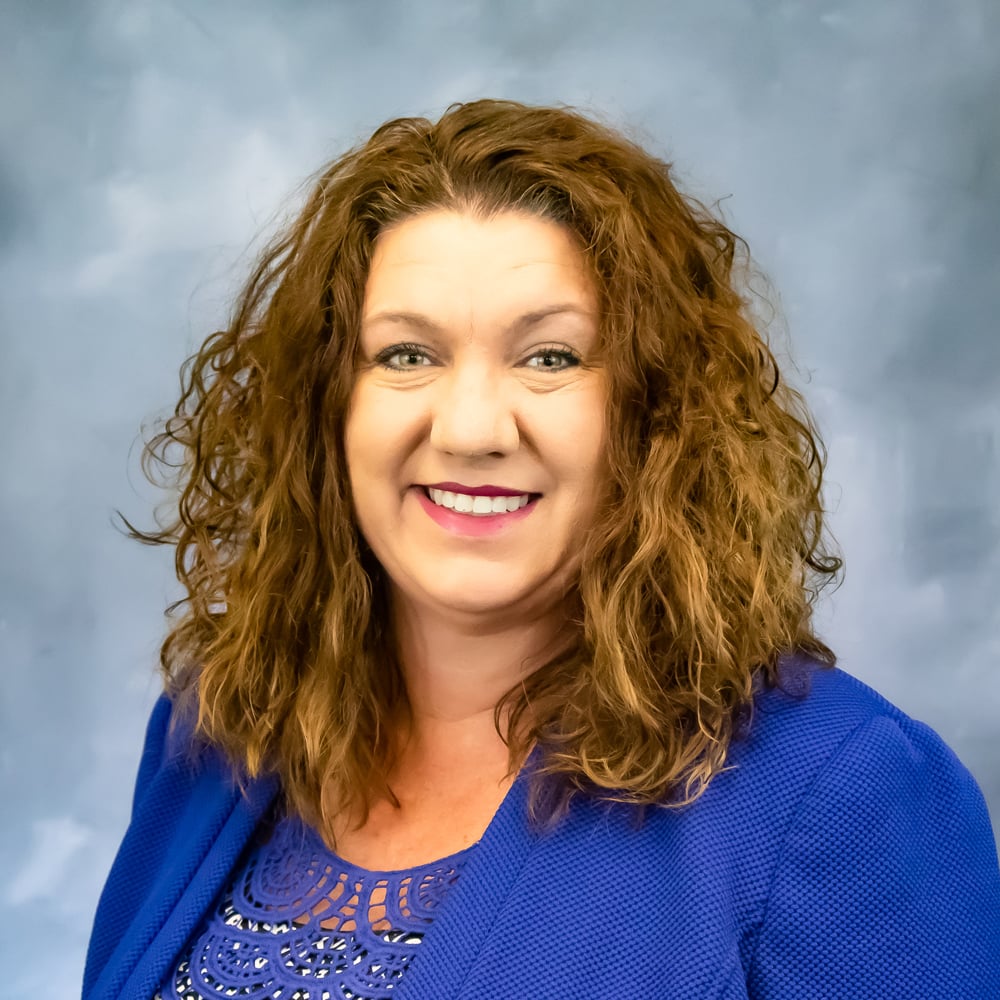
Audrey Young
-
Party:
Republican
-
Branch:
Texas State Board of Education
-
District:
8
-
Address:
PO BOX 2683
City:Trinity
State:TX
- Website:
- Social:
-
Phone:
(936) 662-4264
- Email: