
SBEC finalizes rules to comply with new Texas legislation passed in 2025

Date Posted: 2/16/2026 | Author: Tricia Cave
The State Board for Educator Certification (SBEC) met Feb. 13 to finalize rules in compliance with several pieces of legislation from the 2025 legislative session:
-
Three chapters of the Texas Administrative Code housing SBEC rules—19 TAC Ch. 227, 228, and 230—were modified in response to changes made in educator certification provisions in House Bill (HB) 2 by Rep. Brad Buckley (R–Salado).
-
Two additional chapters—19 TAC Ch. 247 and 249, pertaining to the Educator Code of Ethics and educator discipline—are being amended to align with Senate Bill (SB) 12 by former Sen. Brandon Creighton (R–Conroe) and SB 571 by Sen. Paul Bettencourt (R–Houston).
Educator preparation program rules
The board started with discussion and approval of proposed rules in 19 TAC Ch. 228, which deals with requirements for educator preparation programs. The Preparing and Retaining Educators Through Partnership (PREP) allotment in HB 2 provides funding to school districts to partner with educator preparation programs (EPPs) to create paid teacher residencies and “grow your own” pathways. SBEC is required under statute to draft the rules and requirements that districts and EPPs must follow in order to receive the funding.
At the Feb. 13 meeting, Texas Education Agency (TEA) staff explained to the board proposed changes to Ch. 228 drafted in response to stakeholder feedback, including feedback from ATPE and our partners in the Texas Coalition for Educator Preparation. Changes include:
-
Removing language calling for a proposed “fast start” program and changes to the definition of “late hire.” Prior to the revision, fast start would have allowed uncertified educators currently teaching to bypass normal requirements for educator candidates to take exams and complete field-based experiences. It also would have expanded the classification of late hire to include not only educators hired 45 days before the start of the school year but also those hired during the first semester. This would have created a separate set of rules and requirements for these candidates, making it more difficult for EPPs to track their completion and provide feedback to candidates. ATPE and others provided stakeholder feedback that allowing these candidates to enter the classroom before taking their content pedagogy exams or completing their first 50 hours of field-based experience would lead to overall weakened rigor and quality experience for certification candidates.
-
Changing language that would have restricted the ability of smaller alternative certification programs to offer asynchronous coursework, creating unnecessary limitations on programs already offering asynchronous courses previously approved through the state’s contracted online course review program.
ATPE also provided feedback regarding the inclusion of lesson design, a key pedagogy skill. In Ch. 228.41, TEA continues to show preference for lesson internalization of state branded High Quality Instructional Materials (HQIM) over independent lesson design. Since the passage of HB 1605 by Rep. Brad Buckley (R–Salado) in 2023, the state has placed a high priority on familiarizing educators with these state-approved HQIM. These materials, which have been approved by the State Board of Education, are provided to teachers with the intention of having them internalize the pre-made documents rather than draft their own lesson plans. However, HQIM is not available in all subject areas nor being used by all school districts. ATPE emphasized that lesson design is a foundational pedagogical skill that must continue to be part of educator preparation. ATPE will continue to fight for inclusion and equal weight given to lesson design in the educator preparation rules.
The board also finalized rule revisions in Ch. 227 and 230 without much discussion or changes to the proposed rule language from December. You can find the list of items ATPE was monitoring in these two chapters in our December SBEC meeting recap here on Teach the Vote.
Educator Code of Ethics and educator discipline
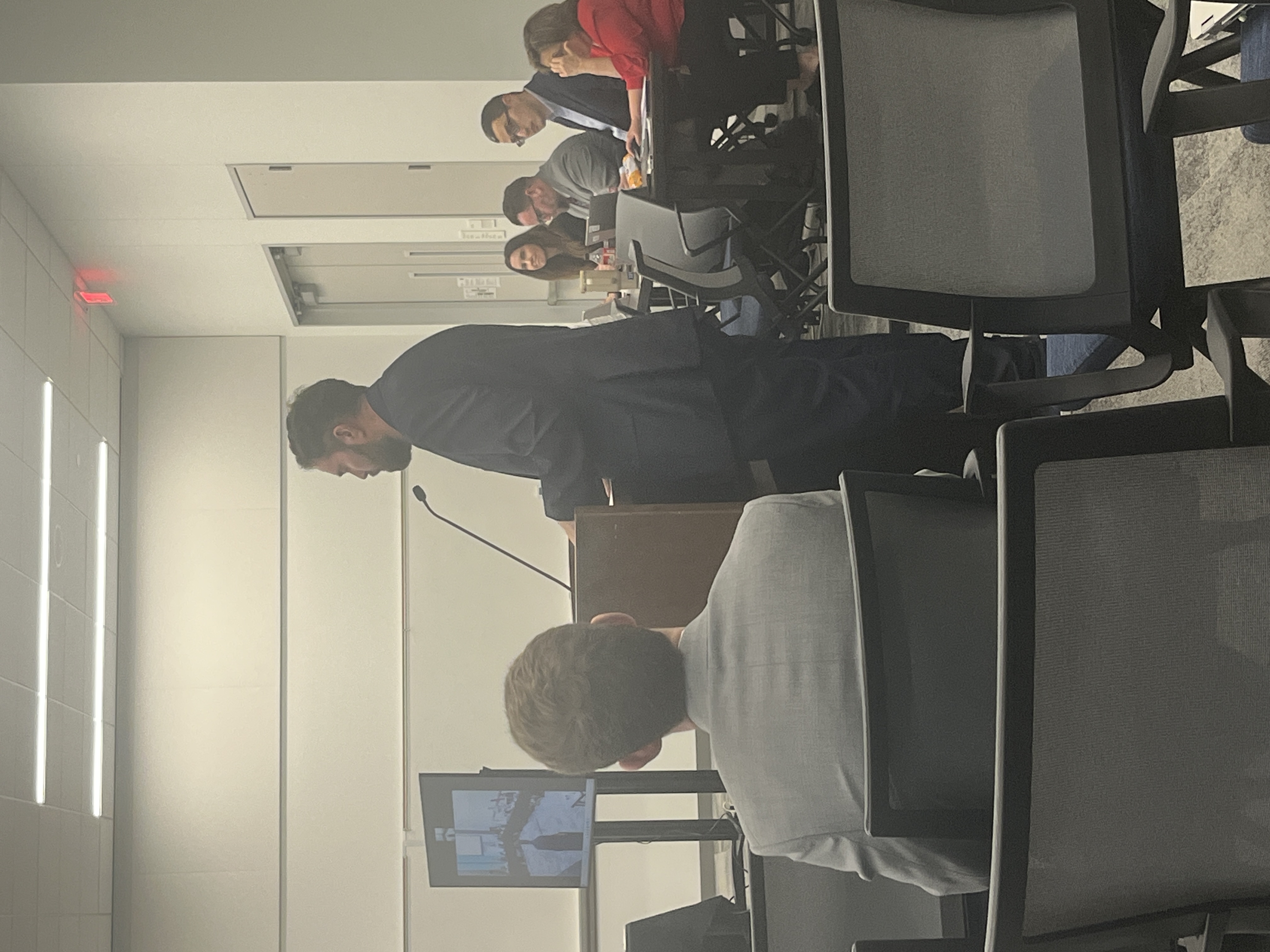
Lastly, the board finalized Ch. 247 and 249 rules regarding educator discipline and the Educator Code of Ethics. ATPE’s lobbyists and legal staff actively engaged in multiple rounds of stakeholder feedback on these rule changes. ATPE Governmental Relations Director Monty Exter testified before SBEC Friday concerning the board’s proposed definition of a “continuous and imminent threat” and suggested changes to the rule language to create a better definition of the term. ATPE also provided written testimony.
SBEC did not offer any updates at this meeting concerning its review of National Board Certification Teacher (NBCT) standards, which was another requirement under 2025’s HB 2. At the last meeting, the board appointed a subcommittee, with ATPE member and NBCT Bobbie Lynn Weir chairing it, to study the content of modules provided to educators going through the National Board Certification process and ensure it complies with Texas law. The material reviewers were slated to be chosen and begin their work in February, so it is likely that there will be an update on this topic at the next SBEC meeting.
SBEC is scheduled to meet again in April. Stay tuned to ATPE’s Teach the Vote for updates.
CONVERSATION
RECOMMENDED FOR YOU
08/21/2026
Teach the Vote’s Week in Review: Aug. 21, 2026
Public education continues to dominate conversations on the campaign trail, with candidates turning their attention to library books and “administrative bloat.” Plus: House Pensions Committee holds interim hearing on TRS.
08/21/2026
On the Campaign Trail: Aug. 21, 2026
Abbott and Hinojosa both spent much of their airtime this week on public education issues, including a call from the governor to audit school districts.

08/21/2026
Analysis: A tale of two audits
An audit finds “administrative bloat” at TEA—but the governor turns his attention to his perception of the same issue in school districts.