
Vote for candidates who will address standardized testing

Date Posted: 2/22/2014 | Author: Jennifer Mitchell, CAE
This is the third post in our A Dozen Days, A Dozen Ways to Vote Your Profession series.
At issue: Education in the 21st century has been dominated by standardized testing. The enactment of state and federal accountability laws, including the No Child Left Behind (NCLB) Act, resulted in the growth of an entire business industry surrounding tests. Testing and rating schools based on students’ standardized test scores have become the primary mandates in public education. Schools that fail to meet accountability targets tied to test results face harsh sanctions, which exacerbates anxiety around the high-stakes nature of the tests. Many districts have tied teacher pay and bonuses to test results, and now the federal government is insisting on more reliance on test score data in evaluations of teachers and principals. The overemphasis on standardized testing is a costly problem: The testing explosion has necessitated more government spending on:
- Developing, field-testing and administering tests.
- Buying test prep materials.
- Remediation programs for students who fail the tests.
- Administering pre-test “benchmark” assessments at the district level.
- Training for staff.
- Investigations of testing improprieties.
- Hiring of additional personnel needed to administer tests, analyze results and create intervention plans based on those results.
- And so much more.
CONVERSATION
RECOMMENDED FOR YOU
07/02/2026
Teach the Vote's Week in Review: July 2, 2026
Happy America 250! Catch up on SBOE news and the “What Makes a Great School?” Texas Tribune Symposium before the holiday weekend.
07/02/2026
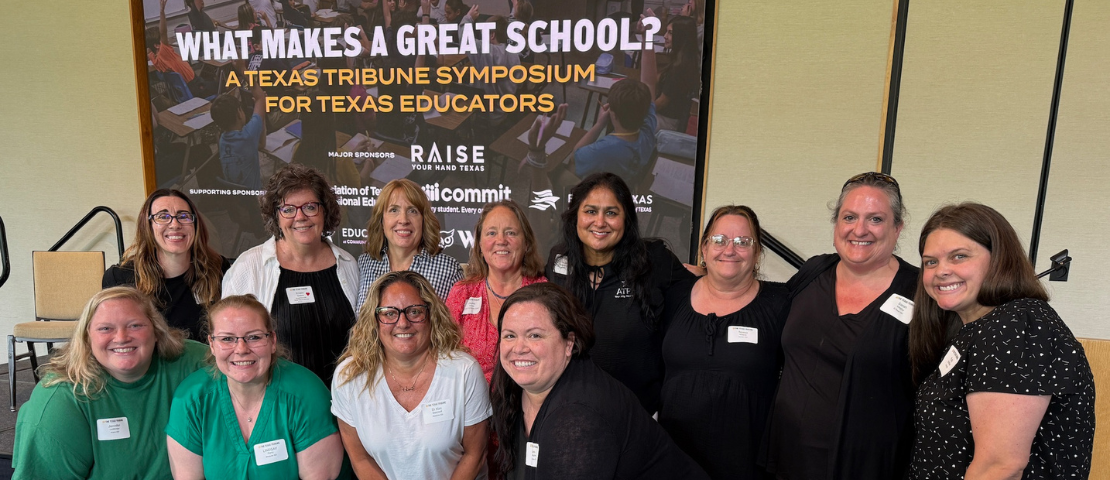
ATPE voices shape discussion at Texas Tribune’s “What Makes a Great School?” Symposium
The daylong conversation at the Holdsworth Center brought together campus-level educators, superintendents, elected officials, and other stakeholders.
06/29/2026
SBOE approves controversial Social Studies TEKS, literary works list at June meeting
The new K–8 Social Studies TEKS and statewide literary works list are slated to go into effect during the 2030-31 school year.