Dawn Richardson
Branch: Texas House District: 54
Additional Information from ATPE
Ran unopposed in the 2026 Democratic primary for Texas House District 54 and will be on the November 2026 general election ballot. Ran unsuccessfully for the same seat in 2024.
Voting records currently not available. Please check back later.
Survey Responses
RESPONSES TO THE 2026 ATPE CANDIDATE SURVEY:
1. If elected, what are your top priorities for Texas public education?Please describe any specific goals or legislative initiatives you would pursue to strengthen the state’s public education system.
My goal is to offer bills to increase public school funding by $4000 per pupil to bring Texas up to the national average, a separate bill to fund by enrollment instead of by attendance, a bill to rework the Robinhood system so that districts can keep more of their tax monies and the state fund tax poor districts from the surplus. Plan to submit a bill to increase the COLA for retirees and put in a permanent percent increase based on the inflationary increases in cost of living in our state.
I also want to introduce a bill to sunset vouchers. While that may be a bridge too far, I will craft a bill that says private schools who take public monies, their teachers should have to pass the same certification exams that public school teachers do, and any student receiving a voucher have to pass the same tests that their public counterparts have to.
2. Public Education Funding:The 89th Legislature passed an $8 billion school funding bill, HB 2. However, despite years of unanswered “inflationary challenges, a large majority of that funding was earmarked to specific programs and did not supply districts with significant flexible funding, leaving the majority of Texas students in districts with deficit budgets and other significant funding challenges. Do you believe Texas public schools should receive additional funding? If so, how should the state pay for it, and should that funding be earmarked at the state level or provide districts with flexible dollars?
I have heard from several superintendents in my district on this very same subject. While each says the money was welcomed, it is not enough to offset the amount that each of them needs to keep all of their schools open and fully staffed. Most were worried about not being able to fund raises for their assistants, custodians, cafeteria workers, facilities workers, and transportation workers. Texas used to fund it's at a much higher rate with half of the needed funding coming from the state. Texas schools absolutely need more funding. We spent roughly $30,000 per inmate and yet we spend only 25% of that on our children. Our priorities should be proactive by spending more on schools so we don't have to be reactive when these children grow up and aren't qualified for the job market and turn to do things to make money that are unlawful. Any new funding given to districts should be given with minimal strings. Each district has unique needs and a one size fits all approach is not going to get the results we want. We are dealing with human beings and different environments. Superintendents and their staff should be able to make decisions on where the money is being spent. The state is boasting on having a surplus, much of which comes from collecting taxes and not sending those dollars back to the districts. Any school tax dollars collected through Robinhood, should immediately go back out to the districts. The state should give monies for raises, along with monies that districts can spend any way they see fit. The state has no stipulation on how voucher monies or charter monies are spent. That flexibility should be given to the public schools as well
3. ESA Vouchers:Education savings accounts (ESAs) redirect public funds to private or home schools. How do you believe Texas should fund public schools, traditional and charter, alongside ESA vouchers? How should ESA spending be held accountable to taxpayers?
I believe that the system that services the vast majority of students in Texas that is also guaranteed in the Texas Constitution should be the first priority of the state. Abbott and crew claim we have.broken system, yet they refuse to give the schools the money needed to fix it. Children cannot learn in overcrowded mega schools. Children need well educated caring adults in the rooms and we are losing so many of them due to not being able to afford to live where they work. I know people say it is behavior and yes that plays a part. However, I have talked to quite.a few young teachers and most complain about the expense of housing.
Parents who can afford to send their children to private schools do not need a voucher. If you research the states that have vouchers, over 70% of them are going to families who children are already in private schools.
If a private school is going to accept a voucher, then they should have to accept any child that receives one into their school. They should not be allowed to pick their students as they do now. They should also be required to have Texas certified teachers, and their students should have to take the same tests on the same schedule as public school students do. Their schools should also have to be rated through the A-F system that public schools do. If you are going to take tax payer funds, you should have the same criteria and standards to obtain.
4. Teacher Recruitment and Retention:Under HB 2, passed in 2025, all educators in core content courses (math, English, science, and social studies) must be certified by 2030. While this is a good start, more can and should be done to ensure high-quality teachers continue to enter the classroom. What are your suggestions to improve the quality of the new teacher pipeline?
We go back to having teacher preparation classes in the colleges and universities, with a grant or fellowship to pay for it. Then upon graduation, they have to teach for 5 years in the district that paid for their coursework. if a person chooses to be a teacher after college, they should be given, say two years to take the required coursework, paid for by the district, and work as a full time substitute, under a mentor teacher, with the base teacher pay until they complete the certification. The mentor teacher should be a retiree who can devote a good amount of time to them. The retiree should also be paid for their time.
5. Educator Pay and Benefits:The 89th Legislature passed legislation creating a new mechanism to provide only classroom teachers with tiered raises based on early years of service and their district’s student enrollment. While the raises were significant, they did not apply to all campus educators, and the program created a significant negative funding stream at the district level due to unfunded increased costs for non-salary compensation tied to payroll, such as TRS retirement contributions. Do you support a state-funded across-the-board pay raise for all Texas educators? How would you ensure that compensation keeps pace with inflation and remains competitive with other professions?
The first thing necessary is to bring the pay up to the national average which should be done by the state.The state should also build in a COLA that occurs at least every other year. From there, districts can decide if their employees need more. Those salary increases canbe based on the cost to live in the area where they work. Now this may make it harder on small districts in the short term because employees may leave in search of higher paychecks, but if the pay in that area affords a comfortable way of life where they don't have to work two or three jobs, it will attract more who are looking for a slower pace.
What would help also if every district did not have to negotiate health insurance plans. A state or regional plan would save employees and districts money.
A study should be done on what the salary level is statewide and nationally on what a person with comparable education, experience, and longevity makes looking at different career fields. That is a good place to start when calculating the base and the step increases.
6. Educator Health Care:The high cost of health insurance for active and retired educators continues to reduce take-home pay, with educators shouldering the vast majority of their ever-increasing heath care costs. How would you address the affordability and sustainability of educator health care, particularly the TRS-ActiveCare and TRS-Care programs?
Until we reign in and regulate the health insurance industry, this is going to be a continuing night mare. There is no oversight and plans vary widely with what they cover. With that said, the more people who a part of a plan, the lower the premiums. The state should negotiate a plan that any employee can buy into.
7. Retirement Security:Do you believe the Teacher Retirement System of Texas (TRS) should remain a defined-benefit pension plan for all current and future members? If not, what is your plan to provide a secure retirement for Texas educators, particularly considering that state law has been set up such that most districts do not participate in Social Security?
Yes keep it as a defined-benefit pension. As a retiree, I know what I am getting each month, unlike friends who have 401Ks and are realizing that they have not contributed enough to it. Even though a new teacher may think that their contribution is high, when they get to retirement, they will be glad that they have it. If they want higher returns, they can put money into a Roth or a 403B on their own, but that pension is what keeps good seasoned vets in education.
8. Accountability and Assessment Reform:The Legislature has passed a new “through-year” multi-test model under HB 8. What role should standardized testing play in evaluating students, teachers, and schools? Should test results continue to determine A–F accountability ratings or teacher pay?
The only testing that should be done is at the beginning of the year to assess what level a student is at. In the middle to assess progress, and at the end to assess growth. The information should be used along with other factors such as attendance, tutoring attendance, grades earned through the year to see what can be done to help a student who has not progressed or move a student into more challenging courses if they have exceeded expectations. These scores should only count against a teacher if as an admin, you can show that said teacher did the minimum, did not offer tutoring, did not teach the required teks, etc. We are not working with robots but human beings with lives of their own that we cannot control. You to evaluate a teacher on multiple factors such as the make up of their class: how many are SPED, absences, parental support, accessibility to the teacher, experience, how much support was given to the teacher, how many known students that have challenges such as behavior in their class, home life. There are so many variables that go into being successful that in order to objectively assess this, you need administrators who are available to assist teachers all day. The ratings system is flawed because it is a one size fits all approach and that is simply not viable in a state with such varying districts, from size to population to traditions, etc.
9. Parental Rights and Community Voice:Recent legislative debates have focused on “parental rights” in education. In your view, what is the appropriate balance between accommodating the often conflicting wishes of individual parents while maintaining policies that reflect the broader community’s educational priorities and still providing consistency and an appropriate level of professional deference to educators?
First, parents have always had rights when it comes to their children's education. They can opt their children out of classes, programs, events, etc. The bad part about this is schools do not have the personnel to adequately do this as it usually means a one on one situation, which the child resents. Second, the student is going to interact with the rest of the students again and they will tell the student what they missed and in great detail. Now the student goes home and tells the parent and now the parent is mad at the school. We should remind them of this fact up front to help them make that decision of keeping the child out of the activity.
The appropriate balance is to level with the parent, show them the materials, and allow them to view all materials ahead of time.We explain our level of expertise and allow them to ask questions.
However we do need to remind parents that if their child has access to.a computer or phone, their child may still get to that subject so if they need materials to help with that conversation, we will be happy to provide some.
10. School Safety:HB 3 (2023) imposed new school safety requirements but did not fully fund them. Although the 89th Legislature increased the School Safety Allotment, many districts continue to face substantial unfunded staffing and facility costs associated with school safety laws. How would you make schools safer and ensure the state provides adequate funding to meet safety mandates?
The first thing as a legislator, we need to end all unfunded mandates. If we at the state level says that this has to be done, then we need to fund it. One way to make schools safer is smaller schools. When you are jammed into a situation all day long, you are bound to be irritated by the bumping into you and the small amount of space you have in a classroom.
We need more adults in our buildings. Assistants whose job is solely to monitor hallways, bathrooms, staircases, lunchrooms, etc.
We need to free up our counselors to be counselors.Many times they are the ones doing class schedules and graduation plans. We should actually hire academic advisors and get counselors back to working with children and no counselor should have more than 250 on their caseload.
Every one of these suggestions should be paid by the state. These positions, along with all of the new safety officers and metal detectors, should be for by the state.
11. Curriculum and Local Control:What do you believe is the proper role of the State Board of Education, the Texas Education Agency, and local school districts in setting curriculum standards and selecting instructional materials?
The State Board of Education should be setting standards such as certification of educational professionals, the bare minimum core subjects for graduation and tests that cover those bare minimum courses. They should set benchmarks for all schools that take public funds. They should not be dictating what electives can be taught. That should be a local decision because many times those electives are based on available funds and what is needed in the local economy.
12. Educator Rights and Professional Associations:State law allows educators and other public employees to voluntarily join professional associations such as ATPE and have membership dues deducted from their paychecks at no cost to taxpayers. Do you support or oppose allowing public employees to continue exercising this right? Why or why not?
I strongly support employees being able to continue this right,
RESPONSES TO THE 2024 ATPE CANDIDATE SURVEY:
1. If elected, what are your top priorities for public education?
Fully funded public education, stopping vouchers, pay increase for teachers and support staff, increase in the COLA for retired teachers, funding the new safety mandate of having an armed safety officer on every campus,
2. Voucher programs take many forms (tax credits, scholarships, education savings accounts, etc.) and are either universal or aimed at specific subpopulations (special education students, low-income students, students attending schools with poor A-F accountability ratings, etc.). Would you vote to create a voucher program of any type to pay for students to attend non-public K-12 schools, such as private or home schools?
No as a general rule. Public funds can already be requested for specialized programs or assistance that a student needs that is not offered in their school. The majority of private schools are religious and many would not accept or keep students whose belief systems or lifestyles are not in line with theirs. Private schools do not have to follow the state guidelines and therefore the state would have no control over how tax payer funds are being used.
3. In 2023, the Texas Legislature passed House Bill (HB) 3 requiring a number of new school safety measures. However, many believe the Legislature did not adequately increase funding to cover the cost of the mandates in HB 3 or other locally adopted school safety measures. How would you work to make schools safer and ensure such initiatives are properly funded?
Absolutely! Schools should be given the funds to update all entrances with built in scanning devices to make sure that weapons are not entering the schools. Academic advisors should be hired so that counselors can actually counsel, and no counselor should have more that 250 students to service. The mandate should be fully funded by the state. If the state is going to make it mandatory, new funds should be sent to the districts to cover all costs, including benefits, of hiring and training the new personnel
4. Despite a record-breaking surplus of $38 billion during the 2023 legislative session, school funding formulas were not increased to keep pace with inflation since they were last adjusted in 2019. Do you believe Texas public schools should receive additional funding? If so, how should the state pay for it?
The public school system has not received a raise per pupil in ten years. We spend more on incarceration than we do our schools. We need to be more proactive and spend more of the budget on schools and programs, reducing class size at all levels, offering more vocational and technical courses. The more we focus on our young people, the greater the chance of success in school and that should translate into needing less jail space and jailers. The cost savings should be passed on to the school systems.
5. Texas has faced growing teacher shortages in recent years, with many schools hiring uncertified teachers to fill the gaps. How would you work to ensure Texas public schools have an adequate number of trained and certified teachers?
The first thing that needs to be done is raising the pay by $7000 to reach the national average. Then a COLA should be built in to adjust for inflation along the same lines as Social Security does. If people can take their skills and certifications elsewhere for better pay, they will. Also young people with certifications cannot afford to live in the communities that they are teaching in, even with a roommate. I sat and cried with a young teacher who was broken hearted that she had to leave her students because she and her teacher roommate could not pay the rent increase of $800. Rent subsidies, lower cost for health insurance, and affordable daycare will go a long way in recruiting and retaining qualified teachers. In Hawaii, teachers used to receive $1000 added to their pay for every 9 college credits above their degree. That would be an incentive to keep people current in their field.
6. Inadequate compensation hampers the recruitment and retention of high-quality educators. Do you support a state-funded across-the-board pay raise for all Texas educators?
I absolutely support it and it should be at least $7000 to bring Texas teachers in line with the National average.
7. The high cost of health insurance available to educators is a significant factor decreasing their take-home pay. How would you address the challenge of rising health care costs facing Texas educators and ensure access to affordable health care?
I think that all teachers now have access to TRS care and that is a good first step. The next would be to make health insurance truly be health insurance and should cover more of the out of pocket cost as well as have no co pays for well visits, check ups, vaccines, physicals, etc.
8. What do you feel is the proper role of standardized testing in the Texas public education system? For instance, should student test scores be used as a metric in determining teacher pay, school accountability ratings, evaluating teachers, measuring student progress, etc.?
Due to the fact that our children are facing so many challenges, the majority of which are not under a school's control, I do not feel that student test scores should be used to determine teacher pay. That is not fair to the teacher who has over 50% SPED students in class, while another may have all AP students. The test themselves no longer evaluate basic skills but are more like college entrance exams. Since every student has no plans to go to college, while we should teach like it to make sure that they have the opportunity to do so, standardized test need to get back to the level of testing functional skills that every student needs, whether they go into the world of work, military, vocational school, or college.
The tests should be evaluated to see if students are progressing from the level that they were at the year before and students new to the district should not have their scores counted in ratings for at least two years to give them time to be acclimated to a new system, new surroundings, and new educators.
The tests should be testing the same things adjusting for level of difficulty as students get older. In first grade, test on writing a simple sentence. By third it should be a full sentence and identify the parts, 8th grade should be a full paragraph with a topic sentence, body, and concluding one. By 10th, a one page essay based on a topic from their History class. By 12th, a persuasive argument paper. Basic skills, being expanded year after year and into a portfolio to track the progress in real time. Also you have something to send with the student if they transfer schools
9. In your opinion, what is the proper balance between accommodating an individual parent’s or student’s wishes and the taxpaying community’s interest in directing and maintaining an optimal educational environment for the student population as a whole?
As long as the wishes of the parent or student do not infringe on the learning environment of others, accommodations should be considered. When I was in the classroom, I had a student who only wanted to be in my room because of the learning environment. We worked it out that he would go to his class first, learn the lesson, and then come to my room to work on the assignment as long as he was quiet. Worked for both him, his parent, his other teachers, and myself. Now if the ask was could you bring my child home as they don't like riding the bus, or can you keep him overnight as I can't get there to pick him up, the answer would be a hard no. (real examples).
Our job is to educate. We must be fair and equitable, and must meet the educational needs of all students. For some, that might mean hiring another aide or tutor, might mean small group setting, quiet place to eat lunch, etc. All of those are great uses of tax payer funds and in the long run produce a functioning member of our society that will also be paying taxes .
10. Do you believe the Teacher Retirement System (TRS) should be maintained as a traditional defined-benefit pension plan for all future, current, and retired educators, or do you support converting TRS to a defined-contribution structure that is more like a 401(k) plan, in which future benefits are not guaranteed?
I strongly believe that TRS should be maintained. It is the reason that I and many of my colleagues stayed in education. I know too many folks who now wish that they had a pension as opposed to a 401K. Many employers complain about how young people are not loyal to a job anymore. They seem to forget that they are not loyal to the employee anymore. You can take a 401k with you and most do when they find a better paying job. They are not vested in a profession as educators become. TRS needs to stay in it's current form
11. State law allows educators and other public employees to voluntarily choose to join professional associations such as ATPE and have membership dues deducted from their paychecks at no cost to taxpayers. Do you support or oppose letting all public employees continue to exercise this right?
Absolutely! i know that my district had wanted to get rid of it saying it was costly due to the man hours needed to do it. However, that argument no longer holds thanks to automation and computers
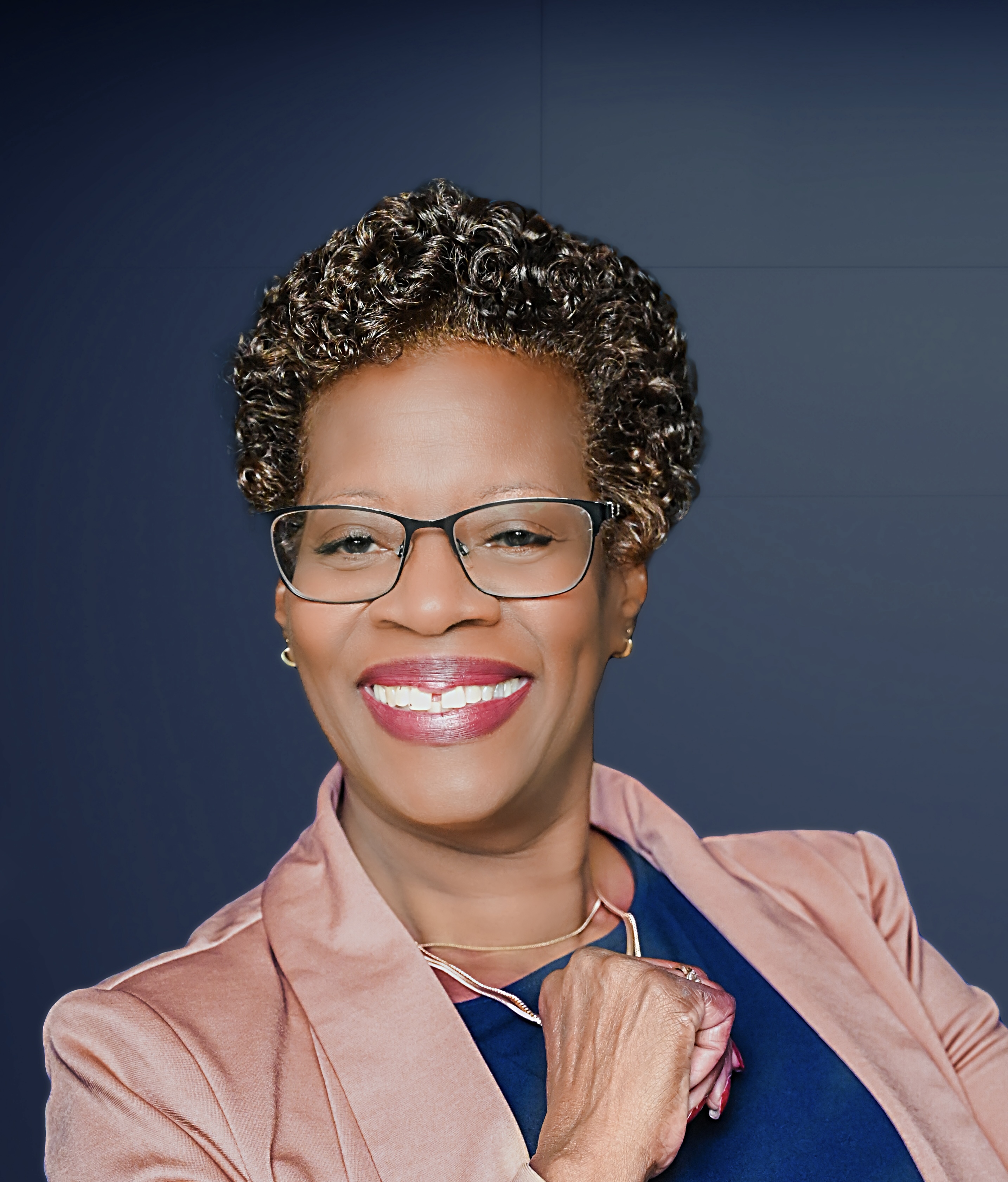
Dawn Richardson
-
Party:
Democrat
-
Branch:
Texas House
-
District:
54
-
Address:
PO BOX 690523
City:Killeen
State:TX
- Website:
- Social:
-
Phone:
(254) 449-0007
- Email: